The best Arcane Odyssey island depends on the job: story progress, chest farming, Treasure Chart solving, trainer access, resources, or a safe return trip. Use this guide to choose a destination by purpose instead of memorizing a flat list of island names.
Updated September 8, 2026. Access rules, quest routes, and world-state details can change with game updates.
Arcane Odyssey Island Guide: Best Islands & Routes
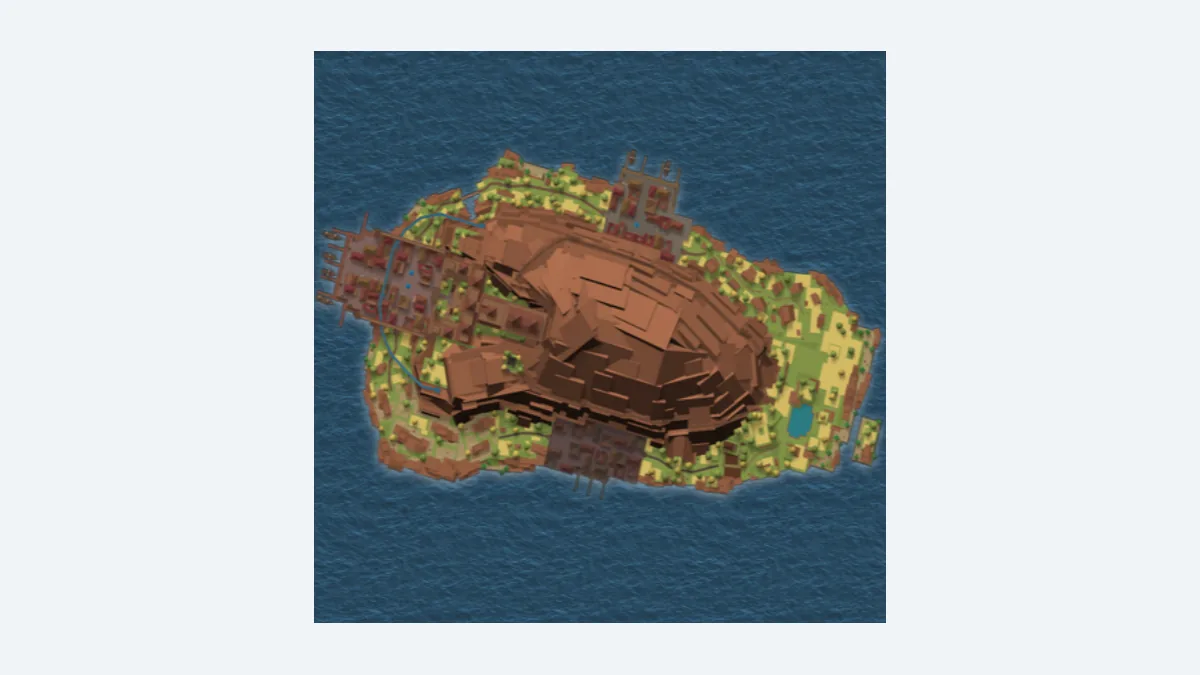
Quick answer: how to choose an Arcane Odyssey island
Follow the active story objective when it names a destination. When you are free-routing, decide the job first: learn a route, farm chests, solve a Treasure Chart, reach a trainer, collect a resource, inspect a secret, or return to a hub. Then choose an island whose terrain and travel time match that job. A famous island is not automatically the best island for every activity.
Arcane Odyssey islands by player goal
| Goal | Island choice principle | What to check before sailing | Next resource |
|---|---|---|---|
| Story progression | Follow the active quest and use the named destination. | Quest marker, current level, approach landmark, and return route. | Map Guide |
| Chest farming | Prefer a repeatable loop with clear landmarks and useful density. | Travel time, terrain, ship return, and optional rare-chest branches. | Chest Locations Guide |
| Treasure Charts | Use the island named on the chart before thinking about the dig spot. | Island shape, direction, distance, elevation, and surface clues. | Treasure Chart Locator |
| Named secret or task | Open a focused island guide when terrain creates repeated mistakes. | Exact name, current marker, nearby structures, and access conditions. | Named-island pages |
| Free exploration | Choose one hub and one nearby stop instead of a vague world tour. | Fuel for the route, return landmarks, and a reason to keep going. | Map overview first |
Bronze Sea islands: learn the route before you rush
Bronze Sea is a useful classroom for map memory. It teaches how to read a dock, settlement, cliff, beach, forest, and open edge as route landmarks. Start with the active story route when possible. When you are farming or exploring, build a short loop around an island you can recognize from more than one approach.
Ravenna, Frostmill Island, Shell Island, Blackreach, Ierochos, and other Bronze Sea stops can serve different purposes. The important question is not which name looks most important; it is what your current task needs. A large hub can support several activities but may take longer to cross. A smaller island may be better for a quick clue check or a short chest loop. Use the Arcane Odyssey Map Guide for sea context, then choose the destination by task.
For progression
Keep the quest marker visible and learn one reliable approach landmark. Do not let a broad island list override the active objective.
For route practice
Repeat the same dock-to-interior sweep until you can return without opening a map for every turn.
For treasure clues
Confirm the island name and terrain zones first. Direction and distance only become useful after the island is correct.
For chests
Measure route density and return time. Treat rare chests as optional branches rather than the only reason to visit.
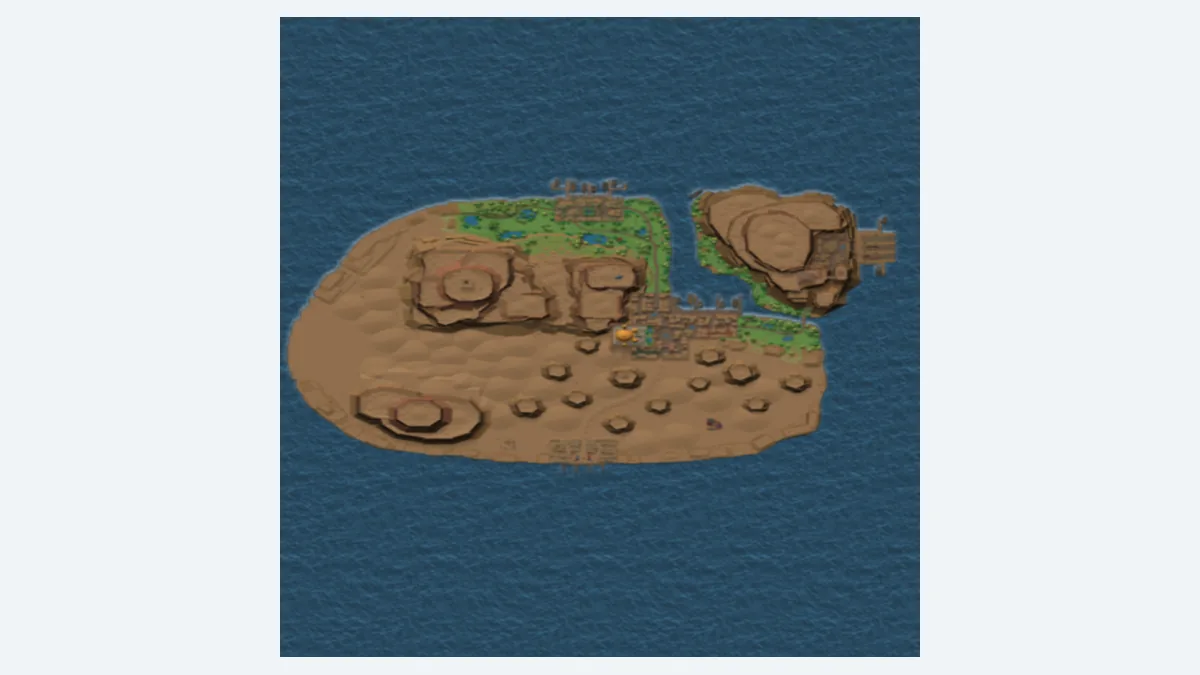
Nimbus Sea islands: clear intent makes longer routes easier
Nimbus Sea raises the cost of vague planning. Larger hubs and longer gaps mean that a destination should have a clear reason behind it. Before sailing, write down one goal: a story objective, a Treasure Chart, a chest route, a trainer, a resource, a secret, or a return trip. Then identify one landmark that will confirm you are approaching from the correct side.
Sameria is a useful route-planning reference because it can act as a hub for several kinds of player activity. That flexibility can also create wandering if the trip starts without a job. If the island feels too large, divide it into approach, landmark, objective area, and return path. This is more reliable than trying to memorize every feature at once.
Searches for “Nimbus Sea islands,” “Nimbus Sea map,” and “Arcane Odyssey island progression” can mean different things. A map overview answers where the sea sits. A progression guide answers when an area matters. A named-island guide answers how to handle a specific terrain or quest. Keep those roles separate so the page you open matches the problem you are solving.
Sky islands and claimable islands
Sky-island and claimable-island questions are especially sensitive to current game state. A player may be asking for a route, an access condition, an interaction, or a list of locations, and those are not identical requests. Use the current quest, map marker, and in-game interaction prompt as the final access check instead of treating an old list as permanent.
When the route is elevated or visually unusual, use a broad map to confirm the sea and a focused guide to confirm the approach. Do not assume that a location is reachable just because it appears in a community map. The final prompt, quest state, and live terrain are more authoritative for the current session.
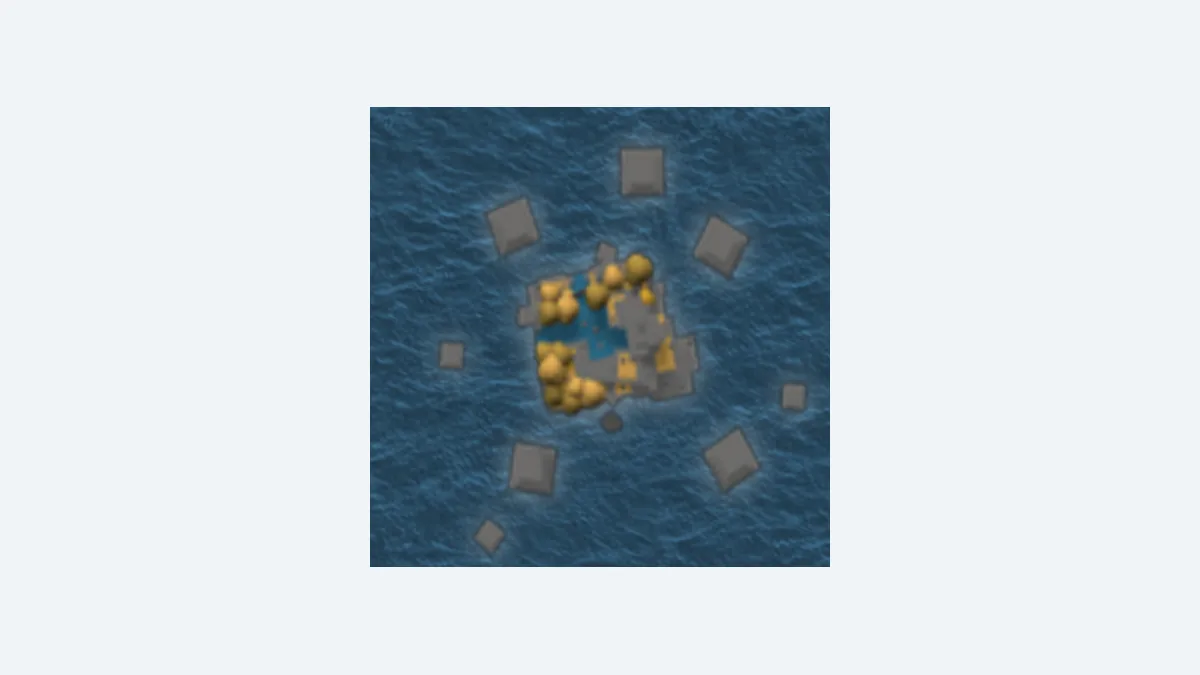
When an island needs its own guide
Not every island deserves a separate page. A focused guide makes sense when players search the island by name, the terrain causes repeated mistakes, the island is a common Treasure Chart destination, or the route has enough unique context to justify more than a table row. This page should help you decide when to make that switch.
Use the Blackreach Island Guide for ruins, routes, secrets, and charts. Use the Ierochos Island Guide for its named route and chart context. Use the Thrylos Crossing Guide for that location-specific question. For a chart destination, also consider the Sameria Treasure Chart Guide, Palo Town Treasure Chart Guide, or Cirrus Buried Treasure Guide.
A five-step island route checklist
- Write down the destination name and the sea it belongs to.
- State the job: progression, chest, chart, trainer, resource, secret, or return.
- Choose one approach landmark and one return landmark.
- Separate the main route from optional detours and rare rewards.
- If the terrain does not match, re-check the island and approach before changing the entire plan.
This checklist is deliberately simple. The value of an island guide is not a universal ranking; it is a faster decision when the world contains more possible destinations than your current task requires.
FAQ
What is the best island in Arcane Odyssey?
The best island depends on the job. Choose a progression destination for story work, a repeatable route for chests, the named destination for a Treasure Chart, and a focused page for a secret or terrain problem.
What are the main Bronze Sea islands for route planning?
Use familiar Bronze Sea hubs and side islands to learn travel, terrain, chest checks, and return paths before taking on longer or more complex routes. The best choice changes with your current objective.
Which Nimbus Sea island should I visit first?
Follow the current objective if one exists. Otherwise choose a hub or destination with a clear purpose, confirm the approach marker, and plan how you will leave before sailing.
How do you get to sky islands in Nimbus Sea?
Confirm the current objective or marker, orient yourself with the map, and use the live in-game prompt for the final approach. Access details can change with updates.
What are claimable islands?
Claimable-island questions can depend on current game state and interaction rules. Use the current marker and prompt as the final authority rather than relying on a static list alone.
Where should I start if I have a Treasure Chart?
Start with the island named on the chart, then read direction, distance, elevation, and surface. Use the Treasure Chart Locator only after the island is confirmed.
Sources and update note
This page uses project-owned island visuals and route guidance. It links to official game context and community references for broad terminology while keeping access and world-state claims cautious.